
Every community has stories that define its identity. Historic buildings, family photographs, handwritten letters and personal recollections all contribute to a shared understanding of the past. Yet much of this local history exists in fragile forms that can deteriorate over time or disappear entirely if it is not documented and preserved.
In recent years, mobile technology has become an accessible tool for individuals, historical societies and community organisations working to protect these valuable records. Modern smartphones combine high-resolution cameras, audio recording capabilities, document scanning features and portable storage into devices that many people already carry every day. Rather than replacing museums or archives, mobile devices complement traditional preservation efforts by making documentation easier and encouraging wider community participation.
As more people contribute photographs, interviews and digital records, local history becomes more accessible to future generations while remaining connected to the places and communities where it originated.
Why Digital Preservation Matters
Preserving local history has always required careful documentation. Traditionally, this work depended on printed catalogues, physical archives and handwritten records that often remained accessible only to specialists or visitors who could travel to a particular location.
Digital preservation expands these possibilities. Historical information can be copied without damaging original materials, organised into searchable collections and shared with people who may never visit a local archive in person. Creating digital copies also provides an additional layer of protection if original documents or photographs are damaged through age, environmental conditions or unexpected events.
Community participation plays an important role in this process. Residents frequently possess family photographs, personal diaries, newspaper clippings and other materials that are not held by public institutions. Mobile devices make it easier to document these privately owned resources before they are lost or forgotten.
Digital preservation should not be viewed as replacing original historical objects. Instead, it creates opportunities to record, organise and share information while helping preserve the physical materials themselves.
Mobile Devices as Everyday Historical Tools
Smartphones have evolved far beyond communication devices. Today, they provide a combination of features that support many aspects of historical documentation in a single portable platform.
High-quality cameras allow users to capture detailed images of buildings, monuments and historical artefacts. Built-in microphones make it possible to record interviews with community members who wish to share personal memories. Storage capacity and cloud synchronisation help organise collected materials while reducing the need to carry multiple specialised devices.
Location services also add valuable context. Photographs can include geographic information that helps researchers identify where historical images were captured. When documenting landmarks, cemeteries or former community gathering places, location data may later assist with cataloguing and mapping local heritage sites.
Because smartphones are widely available, historical documentation is no longer limited to professional researchers. Teachers, students, volunteers and local residents can all contribute information that enriches community archives.
Photographing Historic Buildings and Landmarks
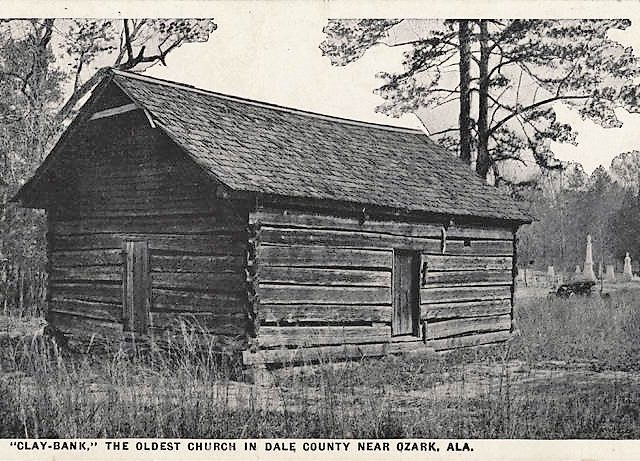
Photographs provide an important visual record of how communities change over time. Historic homes, churches, schools, bridges and public buildings may undergo renovation, relocation or demolition, making contemporary images valuable references for future research.
When documenting historical places, consistency is often more useful than artistic composition. Recording a building from several angles, capturing identifying features and noting nearby landmarks creates a more complete historical record than relying on a single photograph.
Environmental details can also provide useful context. Street signs, surrounding vegetation and neighbouring structures help illustrate how an area appeared during a particular period. Repeating photographs from the same location over several years may reveal gradual changes that would otherwise go unnoticed.
In addition to buildings, mobile photography supports the documentation of memorials, historical markers, public artworks and everyday objects associated with local history. These images become even more valuable when accompanied by dates, locations and descriptive notes that explain their historical significance.
Recording Oral Histories and Community Memories
Many aspects of local history are preserved not in written documents but through personal experience. Long-time residents often remember events, traditions and places that were never formally recorded. Capturing these memories helps preserve perspectives that may otherwise disappear over time.
Modern smartphones allow interviews to be recorded with clear digital audio while requiring very little preparation. Conversations can take place in familiar environments, helping interview participants feel comfortable as they describe family stories, neighbourhood traditions or significant local events.
Preparing open-ended questions encourages detailed responses instead of simple factual answers. Rather than asking only about dates or names, interviewers can invite participants to describe daily life, community celebrations, local businesses or changes they have witnessed throughout their lives.
Audio recordings become more useful when organised alongside photographs, written notes and basic metadata such as interview dates, locations and participant information. Together, these materials create richer historical resources that future researchers, educators and community members can explore from multiple perspectives.
Managing Digital Archives
Collecting historical materials is only the first step in preservation. Without an organised system, photographs, scanned documents and recorded interviews can quickly become difficult to locate or interpret. Effective digital archiving ensures that information remains useful not only today but also for future researchers and community members.
One practical approach is to organise files into folders based on themes, locations or historical periods. For example, a local archive might separate materials relating to schools, churches, businesses and residential neighbourhoods. Consistent file names that include dates or locations make collections easier to search as they continue to grow.
Adding descriptive information is equally important. A photograph of an old courthouse becomes far more valuable when accompanied by details explaining where it was taken, when it was recorded and why the building is historically significant. Similar context should accompany scanned newspaper articles, letters and oral history recordings whenever possible.
Creating backup copies also plays a key role in digital preservation. Storing archives in more than one location helps protect valuable historical records from accidental loss caused by hardware failure or other unexpected events. While preservation methods may differ between organisations, maintaining multiple copies supports the long-term availability of local historical resources.
Offline Access to Historical Resources
Although online collections have expanded access to historical information, internet connectivity is not always available where research takes place. Historic districts, rural communities, archaeological sites and older public buildings may have limited network coverage, making offline access an important consideration.
Many mobile tools allow previously downloaded materials to remain accessible without an active internet connection. Researchers can review photographs, maps, interview notes and digitised documents while visiting historical locations, then synchronise updates after reconnecting to a network.
Offline access also supports educational activities. Teachers leading local history projects or walking tours can provide students with reference materials that remain available throughout the visit without depending on mobile coverage. Volunteers documenting landmarks or conducting community surveys likewise benefit from having important information available wherever their work takes them.
By reducing reliance on continuous connectivity, offline access helps ensure that historical documentation remains practical in a wide variety of environments.
Why Application Documentation Matters
The usefulness of a mobile application often depends not only on its features but also on the information provided alongside each release. Version history, system requirements and installation guidance help users understand whether an application is appropriate for their devices and how updates may affect existing installations.
For example, the Android application documentation available through MercuryTheatre.info presents version information and installation guidance for an Android application. Pages of this type demonstrate how application developers or publishers may communicate technical release details before installation. They serve as examples of software documentation rather than as recommendations for any particular application.
When organisations, volunteers or researchers rely on mobile technology during long-term preservation projects, clear documentation can make software management more predictable by explaining compatibility requirements, release updates and installation procedures.
Conclusion
Local history is preserved through countless individual efforts, from photographing historic buildings to recording personal memories and organising community archives. Mobile technology has made these activities more accessible by combining cameras, scanners, audio recording and digital storage into devices that many people already own.
While smartphones cannot replace museums, libraries or archival institutions, they provide practical tools that encourage wider public participation in documenting the past. Communities benefit when residents contribute photographs, interviews and historical records that might otherwise remain hidden in private collections or gradually disappear over time.
As digital preservation continues to evolve, the greatest value of mobile technology lies in its ability to connect people with their local heritage. By documenting places, preserving stories and organising historical information for future access, mobile devices help ensure that community history remains available for researchers, educators and future generations alike.